

How Often Should Des Moines Homeowners Schedule Professional Drain Cleaning?
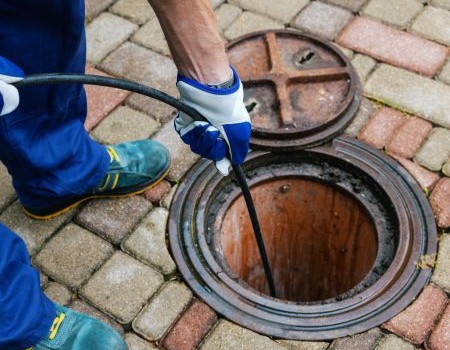
Slow drains rarely improve on their own. In Des Moines, IA, a smart plan is to schedule professional drain cleaning before small clogs grow into messy backups. This guide explains timelines by home type, how local seasons play a role, and the warning signs that say it is time to call .
We keep the advice simple and practical. You will learn how often most homes need service, what can shorten the timeline, and what a licensed plumber looks for during a visit. No gimmicks. Just clear answers you can use today.
Why Routine Drain Cleaning Matters In Des Moines
Our city mixes charming older neighborhoods like Beaverdale, Sherman Hill, and Drake Park with newer builds on the edges of town. That variety means different pipe materials, different tree root pressures, and different usage patterns. Add in hard water and heavy holiday hosting, and blockages can sneak up fast.
Routine service reduces emergency calls, helps protect floors and drywall from water damage, and keeps your home ready for guests. Backups in more than one fixture usually point to a main line issue, not a simple sink clog, which makes routine maintenance even more valuable.
Drain Cleaning Des Moines: Recommended Schedule By Home
Every home is unique, but these patterns fit most households in Central Iowa. Use them to plan ahead and avoid surprise clogs.
- Annual service fits most Des Moines homes. A once-a-year professional cleaning and inspection catches small build-ups before they become stoppages.
- Every 6–12 months for older homes. Houses in Sherman Hill, Beaverdale, or South of Grand with mature trees or original lines often benefit from more frequent care.
- Every 6–12 months for high-use homes. Big families, frequent cooking, or regular entertaining in areas like East Village condos can push grease and food particles into the line faster.
- After major events. Hosting long stretches of holiday guests or remodeling can introduce debris that warrants a check-up soon after.
These timelines are guidelines, not fixed rules. Your plumber will adjust the schedule after seeing your line condition, materials, and usage. Call right away if sewage odor is present, even if your next appointment is months away.
Signs It Is Time To Schedule Now
Watch for patterns, not one-off moments. When more than one of these shows up, book service before the problem spreads.
- Multiple slow drains at the same time
- Gurgling or bubbling noises after flushing
- Recurring clogs in the same bathroom or kitchen
- Water backing up into a tub or shower
- Persistent drain odors
If you are comparing options for drain cleaning Des Moines homeowners trust, start by choosing a licensed, local team that explains what they find and documents it clearly.
What A Professional Service Visit Includes
A quality visit is more than pushing a cable down a pipe. Your plumber should walk you through findings and set a clear maintenance plan for your home.
Most appointments include these steps:
Initial assessment. Your technician will ask about symptoms, fixtures affected, and when problems started. This helps trace issues to the right section of the system.
Mechanical cleaning. Tools like augers or jetting equipment clear grease, scale, and roots from the line. The method depends on your pipe size, material, and blockage type.
Camera inspection. A video scope checks for cracks, sags, intruding roots, or heavy scale. It also confirms the cleaning worked, so you are not guessing.
Maintenance plan. You will leave with a recommended schedule based on what is actually in your pipes. Homes near mature trees or with older clay or cast iron may follow a shorter interval.
Local Factors That Change Your Schedule
Tree Roots And Older Pipe Materials
Neighborhoods with mature trees, such as Beaverdale and South of Grand, see more root intrusion. Older clay or cast iron lines can also scale or shift over time. Both conditions usually call for cleanings every 6–12 months, verified by camera.
Hard Water And Grease Build-Up
Hard water leaves mineral scale that narrows the inside of drain lines. Frequent cooking or disposal use in busy households piles grease on top of that scale. Together they speed up clogs, especially in kitchen lines.
Seasonal Moisture And Yard Conditions
Spring thaw and heavy rains can saturate soil, adding pressure around buried lines. In the fall, leaves and debris work their way through outdoor areas and can end up at cleanouts or yard drains that connect to your system. Timing a visit around these seasons can prevent surprises.
Seasonal Timing Tips For Central Iowa Homes
Think of your schedule like routine dental cleanings. Twice a year works for many, but once a year is fine if your pipes stay healthy between visits. Choose timing that fits your home and calendar.
Good options include:
- Late fall, before holiday guests increase water use
- Early spring, after freeze-thaw cycles can shift older lines
- Anytime after a renovation that adds new fixtures or increases use
Families in East Village apartments may lean toward pre-holiday service, while single-family homes near Waveland Park or Drake might prefer early spring. Your technician will help lock in the month that best protects your home.
How To Right-Size Your Professional Drain Cleaning Schedule
Your timeline should match risk, not guesswork. A camera inspection during your first visit gives a baseline. From there, you and your plumber decide on a plan tailored to your home’s age, materials, and usage.
Consider these practical checkpoints:
History of backups. Two or more clogs in a year usually means you need a shorter interval. It is cheaper than dealing with water damage later.
Multiple fixtures affected. If toilets, tubs, and sinks slow at once, the main line needs attention sooner.
Tree-lined lot or older neighborhood. Roots and aging joints change everything. Plan on inspections more often to stay ahead of them.
What You Can Expect From A Pro Visit With
Clear communication, clean work areas, and documented results. We explain what we find in plain language and provide photos or video when helpful. That way, you understand why we recommend annual service or a 6–12 month plan.
Our team serves Des Moines neighborhoods from Sherman Hill to the East Village and nearby communities within the metro. We schedule around your day and keep the appointment focused on prevention, not just clearing the immediate blockage.
When Preventive Care Becomes Urgent
There are times when waiting is not a safe option. You should request immediate service if you notice sewage odors, water backing up into lower-level tubs or showers, or repeated clogs that return within days. These issues can move from inconvenient to unhealthy quickly.
Remember, sewage odors and wet floor drains on lower levels are never normal. Treat them as urgent and bring in a licensed plumber without delay.
Set Your Next Appointment Today
If it has been a year since your last cleaning, or if you are seeing any of the signs above, schedule now to protect your home. Many households book on a recurring annual plan. Others choose a spring and fall rhythm that matches Central Iowa weather patterns.
To discuss the right professional drain cleaning schedule for your home, reach out to at . You can also learn more about the process by visiting our page on professional drain cleaning. We are ready to help homeowners across Des Moines, IA keep drains moving and prevent clogged drains before they start.